Deposit return systems turned a piece of back-of-store hardware into a footfall driver. The problem is that nobody is watching it. By the time a broken machine reaches a service ticket, the customer has already gone to a competitor – and the margin on their weekly shop went with them.
A reverse vending machine is not a vending machine in reverse. It is a reason to visit. Customers come to return containers, collect a voucher and spend it in the same store. That loop is worth more than the deposit itself, because the visit converts into a basket.
Break the loop and the cost is immediate. A single machine out of service can mean up to EUR 7,000 in lost turnover per month. Not lost deposits – lost turnover, because the trip that would have ended at the checkout never happens.
The failure is not the machine. It is the delay
Reverse vending machines fail in ordinary ways: a full bin, a jammed intake, a paper roll that ran out, a sensor that stopped reading barcodes. None of these are catastrophic. All of them are invisible.
The standard detection path in a large chain runs like this: a customer gives up, a second customer complains at the service desk, an associate walks over, confirms the fault, and reports it upward. That path takes hours on a good day and days across a weekend. In the meantime the machine stands there looking operational, which is worse than a machine that is obviously off.
The root cause has a name: there is no owner of the machine at store level. It belongs to operations, to the deposit scheme, to the hardware vendor and to nobody in particular. Responsibility that is shared across three parties is responsibility that arrives late.
What the leading chains do differently
High-performing operators stopped treating reverse vending as hardware and started treating it as a service with an uptime target. The mechanism is monitoring plus routing:
- The system detects the fault before the customer does – a full container, a jam, a stopped intake, a machine that has taken no returns in an unusual window.
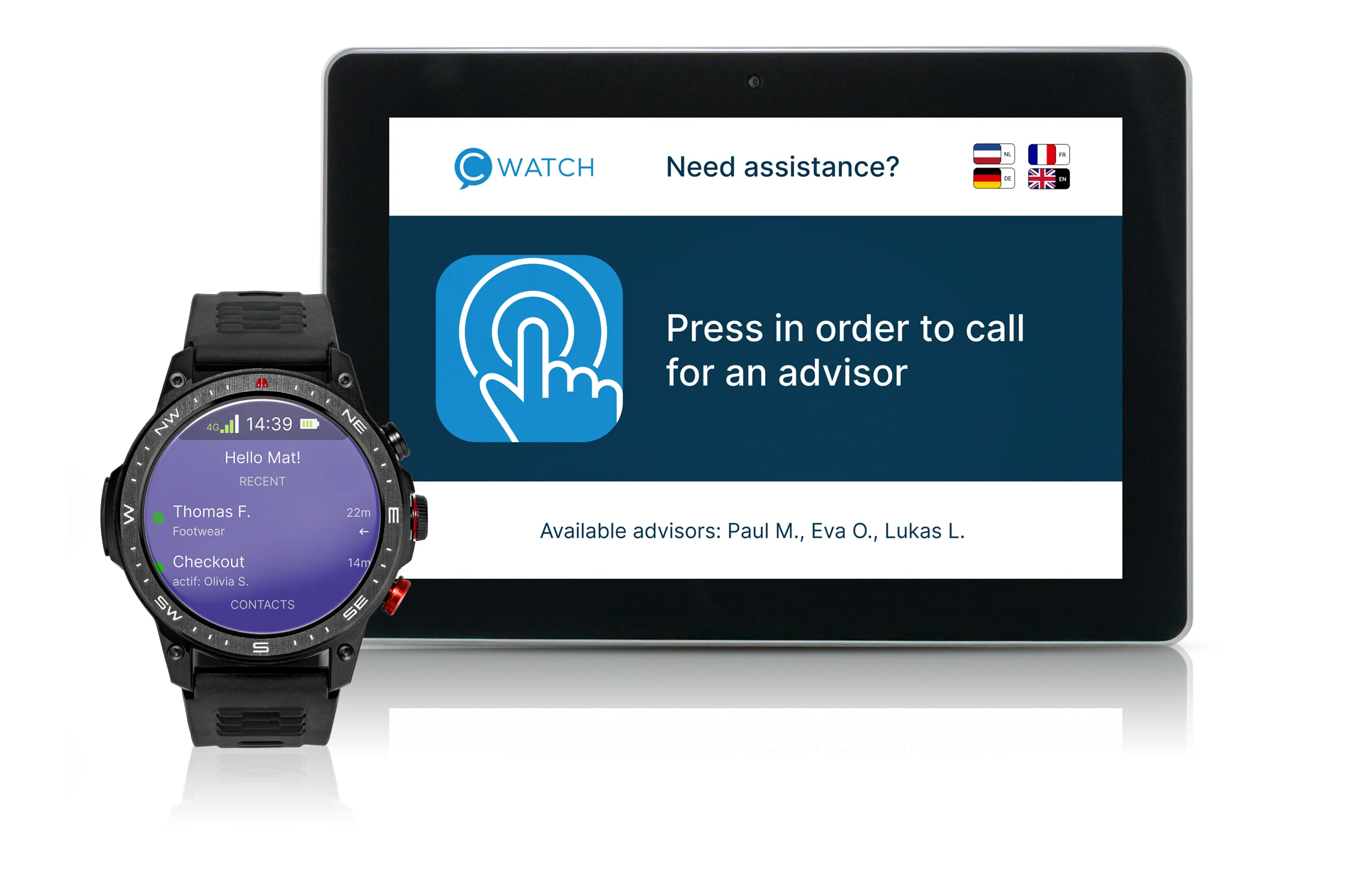
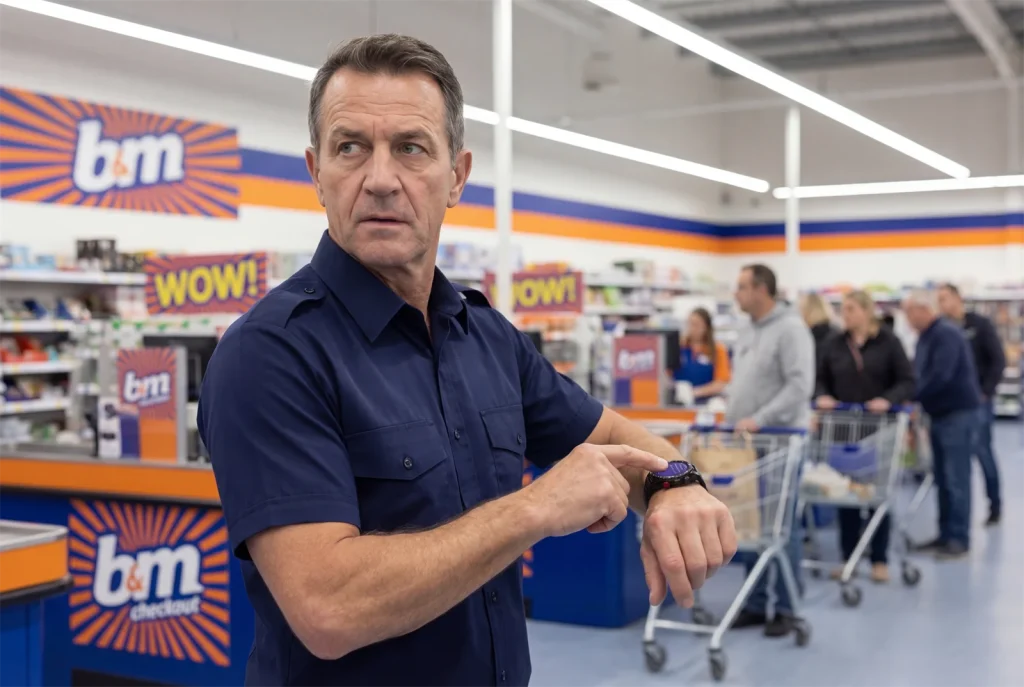
- The alert goes to a specific person on shift, on the device they already carry, not into a shared inbox.
- The response is measured. Time to acknowledge and time to restore become numbers a regional manager can see across the estate.
The result is not a technology story. It is an availability story: machines that work when customers arrive, and a store that keeps the traffic the deposit scheme was supposed to bring.
The missing piece is not better hardware
Manufacturers keep improving throughput and recognition accuracy. That is not where the loss sits. The missing piece is not a better machine; it is the execution layer that connects a fault to the person who can fix it, within minutes.
This is also why deployment matters more than sophistication. A monitoring model that needs a six-month IT project will not be rolled out across 400 stores. A plug-and-play layer that sits on top of existing machines will.
The next phase of deposit return operations will be judged on uptime per machine, not on installed base. Chains that can prove 98% availability will treat it as a commercial argument with the deposit operator. Chains that cannot keep paying EUR 7,000 a month per machine without ever seeing the line item.