The headline growth number in European groceries is close to meaningless on its own. Strip out inflation and the picture is a market defending margin rather than expanding it. That reframes what private label, AI and retail media are actually for.
European grocery sales grew 3.4% in 2025, driven mainly by inflation rather than volume. Shoppers are not buying more. They are paying more for roughly the same basket, and increasingly trading within it.
That single distinction explains most of what the sector is currently doing, because margin pressure, not growth, is now the defining constraint.
Private label stopped being a price weapon
Private labels already account for around 40% of market value in Europe, and roughly 70% of new food launches now come from retailer brands. A share that size changes the function of the category.
When its own brand was the cheap tier, it existed to hold a price point against discounters. At 70% of new launches it is the innovation pipeline. The retailer decides what appears on the shelf, sets the pace of category development and captures the margin on it. Private labels are evolving from a pricing tool into a product platform.
AI is moving faster with shoppers than inside the business
AI has become the number two CEO priority in the sector, while 12% of consumers already use AI while shopping – rising to 30% among Gen Z.
The gap is the interesting part. Consumer adoption is running ahead of measurable business results. Retailers have models, pilots and roadmaps; shoppers have already changed how they research a purchase.
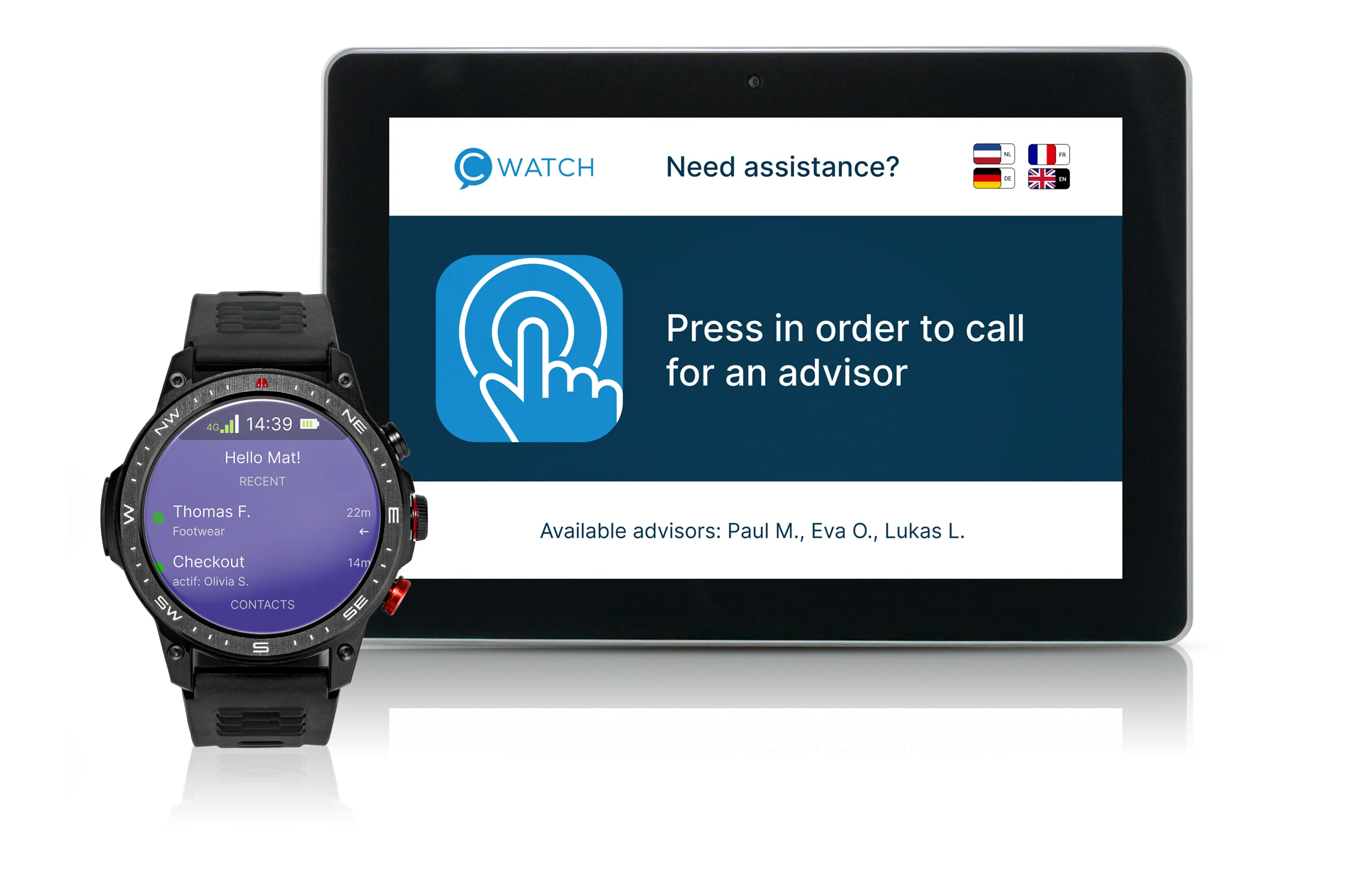
The missing piece is not another model; it is the execution layer that connects those systems to what happens in the store. Intelligence that does not reach the shelf does not show up in the P&L.
Two structural shifts running underneath
- Foodservice keeps outgrowing grocery. The boundary between convenience retail and restaurants is dissolving, and grocers are competing for the same meal occasion with a different cost base.
- Retail media is becoming a profit engine, not a side business – growing at roughly 20% CAGR with EBIT margins reaching up to 70%. In a 3.4% nominal-growth market, that is where incremental profit is actually coming from.
What it adds up to
Three conclusions hold across the data:
- Margin pressure remains the industry’s biggest challenge, and volume growth is not coming back to solve it.
- Private label is now an innovation platform, which makes supplier relationships and category strategy a board-level question.
- AI adoption is accelerating faster on the consumer side than in measurable business results, which makes in-store execution the bottleneck.
The next phase will reward operators who convert existing systems into things that happen on the shop floor. Source: McKinsey, State of Grocery Europe.